Subang's New MRO Logistics Hub Could Tighten Timing for Aerospace Suppliers. What SMEs Should Watch Now
The Malaysian Reserve reported on July 9, 2026 that Malaysia Airports and Mitsui Fudosan broke ground on an RM80 million Subang MRO logistics hub. For Malaysian suppliers, service contractors, and SME operators, the practical issue is whether aerospace-linked demand will start pulling forward warehousing, transport, tooling, and cash-flow decisions.
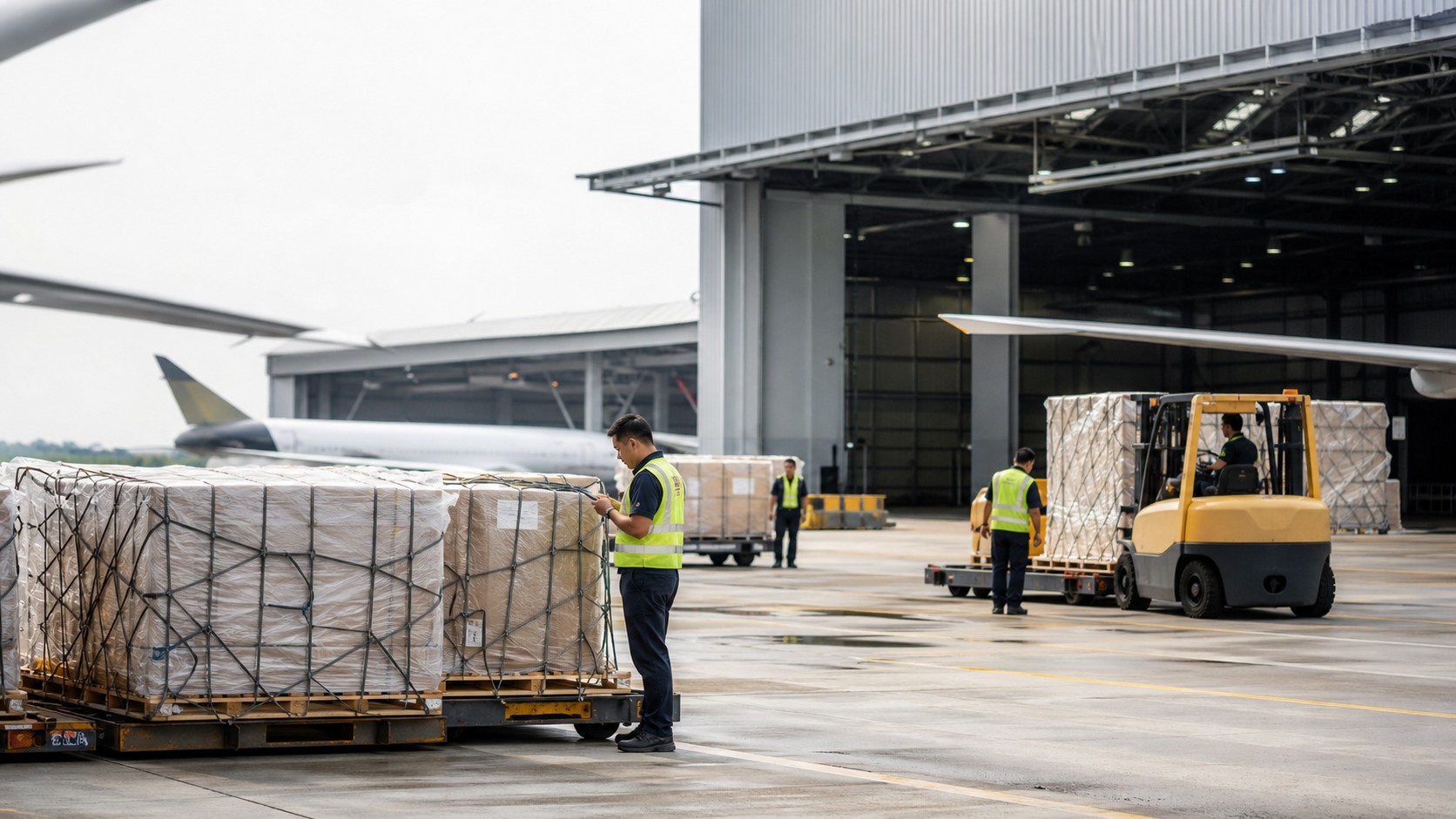
If your business supports airport logistics, industrial warehousing, maintenance supply, equipment rental, or specialist transport, this is the kind of project headline that can change workload timing before it changes your revenue.
The Malaysian Reserve reported on July 9, 2026 that Malaysia Airports and Mitsui Fudosan broke ground on an RM80 million MRO logistics hub in Subang. Widely reported supporting details say the project is being developed on a roughly 1.79-hectare site with about 254,420 square feet of gross floor area, with completion targeted for the third quarter of 2027 and operations expected in the fourth quarter of 2027.
For Malaysian SMEs, the real question is not whether the project sounds impressive. It is whether a more structured aerospace-support corridor in Subang will start pulling forward your warehousing, transport, tooling, staffing, or working-capital decisions.
What Happened
The reported event is straightforward: Malaysia Airports and Mitsui Fudosan have started work on a new logistics facility tied to Subang’s MRO ecosystem.
The business significance comes from what the site is meant to do. Reports around the groundbreaking describe a multi-tenant logistics hub intended to support aviation maintenance and related operators, including users that may not need a massive standalone facility.
That matters because infrastructure like this usually changes how work gets organized around it:
- suppliers may need to respond to tighter delivery windows
- support firms may need more reliable vehicles or material-handling capacity
- service contractors may face higher expectations on turnaround time
- smaller operators may need to decide earlier whether to rent, buy, or finance equipment
This is not yet proof of immediate revenue for every business in the corridor. It is, however, a signal that Subang’s aviation-support ecosystem is being built for more structured throughput.
Why It Matters For Malaysian SMEs
Large industrial projects often create pressure first at the smaller-business level. A principal tenant or anchor operator may get the headline, but adjacent SMEs usually feel the practical strain through stockholding, dispatch timing, shift planning, and asset readiness.
In this case, the likely spillover areas include:
- warehouse and storage support
- forklifts, pallet handling, and loading equipment
- light commercial transport and last-mile industrial delivery
- workshop tools, service vehicles, and support machinery
- short-cycle working capital for stock, labour, or site readiness
For SMEs already serving Subang, Shah Alam, or the wider Klang Valley aviation and industrial corridor, the issue is not only demand. It is whether your business can absorb faster operations without disrupting payroll, supplier payments, or existing jobs.
What Owners Should Check Before Demand Tightens
The safest response is not to overreact to one project. It is to check whether your operation is ready if enquiries turn into repeatable work.
Useful questions include:
- are you seeing more serious requests from aviation, warehouse, or industrial customers
- would one additional vehicle, forklift, or support machine remove a timing bottleneck
- are supplier deposits or stock purchases arriving earlier than customer payments
- do you need more space, stronger inventory flow, or more dependable loading capacity
If the answer is yes, it may be worth reviewing whether equipment financing or working capital support would protect cash flow better than waiting for the pressure to become urgent.
What To Watch Next
The next meaningful signals are operational, not ceremonial.
Watch for:
- more aviation-support tenants or suppliers clustering around the Subang corridor
- rising demand for storage, loading, dispatch, or workshop support
- earlier procurement timelines for tools, vehicles, or warehouse equipment
- signs that smaller operators are being asked to commit faster than they can collect payment
If those signs build, the financing question will not be abstract. It will be whether your business can fund readiness before the work cycle speeds up.
Where Ing Heng Fits
Ing Heng fits as a planning partner when a business needs to add vehicles, warehouse equipment, machinery, or working-capital room without draining too much cash upfront.
That matters in project-linked corridors like Subang, where opportunity can rise together with timing pressure. The better move is usually to review capacity and funding early, not after supplier deadlines and collections start colliding.
News Source
- The Malaysian Reserve. “Malaysia Airports, Mitsui Fudosan break ground on Subang MRO logistics hub.” Published July 9, 2026. Source URL: https://themalaysianreserve.com/2026/07/09/malaysia-airports-mitsui-fudosan-break-ground-on-subang-mro-logistics-hub/
Questions Business Owners Ask
What did The Malaysian Reserve report on July 9, 2026?
The Malaysian Reserve reported that Malaysia Airports and Mitsui Fudosan broke ground on an RM80 million MRO logistics hub in Subang.
Why does a Subang MRO logistics hub matter to SMEs?
Because a purpose-built MRO logistics site can increase demand for warehousing, transport, tooling, maintenance support, and supplier coordination across smaller businesses serving the aviation corridor.
What should business owners watch first?
Watch for firmer delivery schedules, earlier stock commitments, larger space or equipment needs, and longer cash-conversion gaps if work arrives before collections catch up.
Related News

Malaysia Economy News
Malaysia's Petroleum Reserve Study Could Change How Fuel-Exposed SMEs Plan Risk
Malaysia Economy News
Malaysia's LSS6 Solar Push Could Pull Contractor And Supplier Timelines Forward

Malaysia Economy News